

First Edition Fantasy Roleplaying Game
Get The Game
Home
Products
Articles
Creators
Media
News
Submission
Tools
Wiki
Resources
Help
License

Cultists of Yox
By: EOTB
It's a game of chicken when the DM is the crazy one
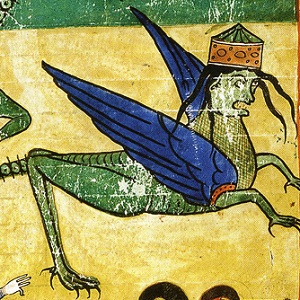 As grodog mentioned at his blog, I'm hip-deep in keying out the dungeon level of Twisting Stair #1 for use in my home campaign (and for a prospective Roll20 online campaign). It's coming along nicely, although not quite finished in a shareable state.
One thing I like about the Twisting Stair zine is how it drops a tidbit without fleshing out the details. I find it just enough to jump start my creative process while leaving me completely free to follow my imagination. One example of this was the "Cultists of Yox" found on the Wandering Pairings random encounter table.
As a little teaser of what turned out to be a major faction in my adaption of the 1st level Twisting Stair dungeon map, here my take on the Cult of Yox...
EOTB
As grodog mentioned at his blog, I'm hip-deep in keying out the dungeon level of Twisting Stair #1 for use in my home campaign (and for a prospective Roll20 online campaign). It's coming along nicely, although not quite finished in a shareable state.
One thing I like about the Twisting Stair zine is how it drops a tidbit without fleshing out the details. I find it just enough to jump start my creative process while leaving me completely free to follow my imagination. One example of this was the "Cultists of Yox" found on the Wandering Pairings random encounter table.
As a little teaser of what turned out to be a major faction in my adaption of the 1st level Twisting Stair dungeon map, here my take on the Cult of Yox...
EOTB
It's a game of chicken when the DM is the crazy one
 Approach: gamist over simulationist
Appeal: player skill over character skill
Aesthetic: Heavy Metal: the Movie over fantasy geographic
My games and writing center around sandboxing between urban, wilderness and megadungeon play; and also a heavy dose of other-planar.
Quirks include an irrational love of treasure maps, and using the DMG unarmed combat tables. Dice openly rolled to the fullest extent possible. Illusions are real to the character if the player responds except to disbelieve. Gandalf was just a 5th level wizard, prove me wrong.
Approach: gamist over simulationist
Appeal: player skill over character skill
Aesthetic: Heavy Metal: the Movie over fantasy geographic
My games and writing center around sandboxing between urban, wilderness and megadungeon play; and also a heavy dose of other-planar.
Quirks include an irrational love of treasure maps, and using the DMG unarmed combat tables. Dice openly rolled to the fullest extent possible. Illusions are real to the character if the player responds except to disbelieve. Gandalf was just a 5th level wizard, prove me wrong.
By: EOTB
It's a game of chicken when the DM is the crazy one
As grodog mentioned at his blog, I'm hip-deep in keying out the dungeon level of Twisting Stair #1 for use in my home campaign (and for a prospective Roll20 online campaign). It's coming along nicely, although not quite finished in a shareable state.
One thing I like about the Twisting Stair zine is how it drops a tidbit without fleshing out the details. I find it just enough to jump start my creative process while leaving me completely free to follow my imagination. One example of this was the "Cultists of Yox" found on the Wandering Pairings random encounter table.
As a little teaser of what turned out to be a major faction in my adaption of the 1st level Twisting Stair dungeon map, here my take on the Cult of Yox...
EOTBIt's a game of chicken when the DM is the crazy one
Approach: gamist over simulationist
Appeal: player skill over character skill
Aesthetic: Heavy Metal: the Movie over fantasy geographic
My games and writing center around sandboxing between urban, wilderness and megadungeon play; and also a heavy dose of other-planar.
Quirks include an irrational love of treasure maps, and using the DMG unarmed combat tables. Dice openly rolled to the fullest extent possible. Illusions are real to the character if the player responds except to disbelieve. Gandalf was just a 5th level wizard, prove me wrong.
Undead In AD&D
By: Larry Hamilton
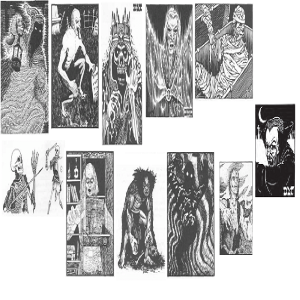 I was reading up on the various undead in the Monster Manual, and noted which ones in their descriptions specifically mentioned throwing holy water on them would hurt them.
Follow Me And Die!
I was reading up on the various undead in the Monster Manual, and noted which ones in their descriptions specifically mentioned throwing holy water on them would hurt them.
Follow Me And Die!
By: Larry Hamilton
 I am a long-time gamer. I started with the Holmes Blue Box set of "Basic D&D" that only went to third level, back in March or April, 1977. I then moved on to AD&D, anxiously waiting as each book was released, reading every word as quickly as possible.
By: Larry Hamilton
I was reading up on the various undead in the Monster Manual, and noted which ones in their descriptions specifically mentioned throwing holy water on them would hurt them.
Follow Me And Die!By: Larry Hamilton
I am a long-time gamer. I started with the Holmes Blue Box set of "Basic D&D" that only went to third level, back in March or April, 1977. I then moved on to AD&D, anxiously waiting as each book was released, reading every word as quickly as possible.
The Icemaiden
By: Rachel
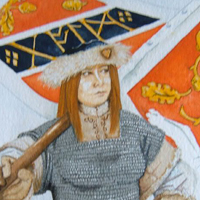 During AD&D sessions I doodle some of the action and I've started to develop these into a strip charting the party's progress. Updates will be when I get the time to put pen to paper. It should be noted that these are 'cartoons' and I'll be using some artistic license but the spirit of what happens at the table will always be there.
Moving Maze of the Mad Master
During AD&D sessions I doodle some of the action and I've started to develop these into a strip charting the party's progress. Updates will be when I get the time to put pen to paper. It should be noted that these are 'cartoons' and I'll be using some artistic license but the spirit of what happens at the table will always be there.
Moving Maze of the Mad Master
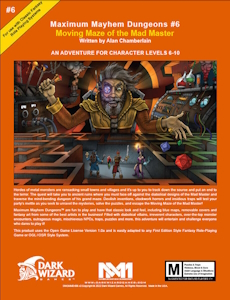 Hordes of metal monsters are ransacking small towns and villages and it's up to you to track down the source and put an end to the terror. The quest will take you to ancient ruins where you must face off against the diabolical designs of the Mad Master and traverse the mind-bending dungeon of his grand maze. Devilish inventions, clockwork horrors and insidious traps will test your party's mettle as you seek to unravel the mysteries, solve the puzzles, and escape the Moving Maze of the Mad Master!
By: Rachel
During AD&D sessions I doodle some of the action and I've started to develop these into a strip charting the party's progress. Updates will be when I get the time to put pen to paper. It should be noted that these are 'cartoons' and I'll be using some artistic license but the spirit of what happens at the table will always be there.
Moving Maze of the Mad Master
Hordes of metal monsters are ransacking small towns and villages and it's up to you to track down the source and put an end to the terror. The quest will take you to ancient ruins where you must face off against the diabolical designs of the Mad Master and traverse the mind-bending dungeon of his grand maze. Devilish inventions, clockwork horrors and insidious traps will test your party's mettle as you seek to unravel the mysteries, solve the puzzles, and escape the Moving Maze of the Mad Master!
OSRIC
By: Stuart Marshall
OSRIC: Twelve years, and still no kickstarter.
 Helping you to publish original material for use with the game Gary Gygax wrote.
Free Town of Groat's End - Twisting Stair Dungeon
Helping you to publish original material for use with the game Gary Gygax wrote.
Free Town of Groat's End - Twisting Stair Dungeon
By: EOTB
It's a game of chicken when the DM is the crazy one
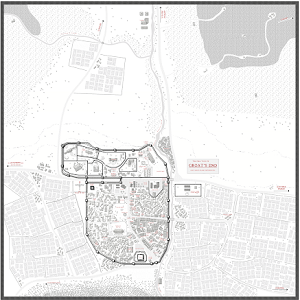 Since the party is going back to town, I needed to put one together. Here's a map for it, and I'll finish detailing out the town over the next few days in blog posts...
By: Stuart Marshall
OSRIC: Twelve years, and still no kickstarter.
Helping you to publish original material for use with the game Gary Gygax wrote.
Free Town of Groat's End - Twisting Stair DungeonBy: EOTB
It's a game of chicken when the DM is the crazy one
Since the party is going back to town, I needed to put one together. Here's a map for it, and I'll finish detailing out the town over the next few days in blog posts...
Extraordinary Delving and Cartography Co. (Part 1 & 2)
Article By: Rachel The Icemaiden
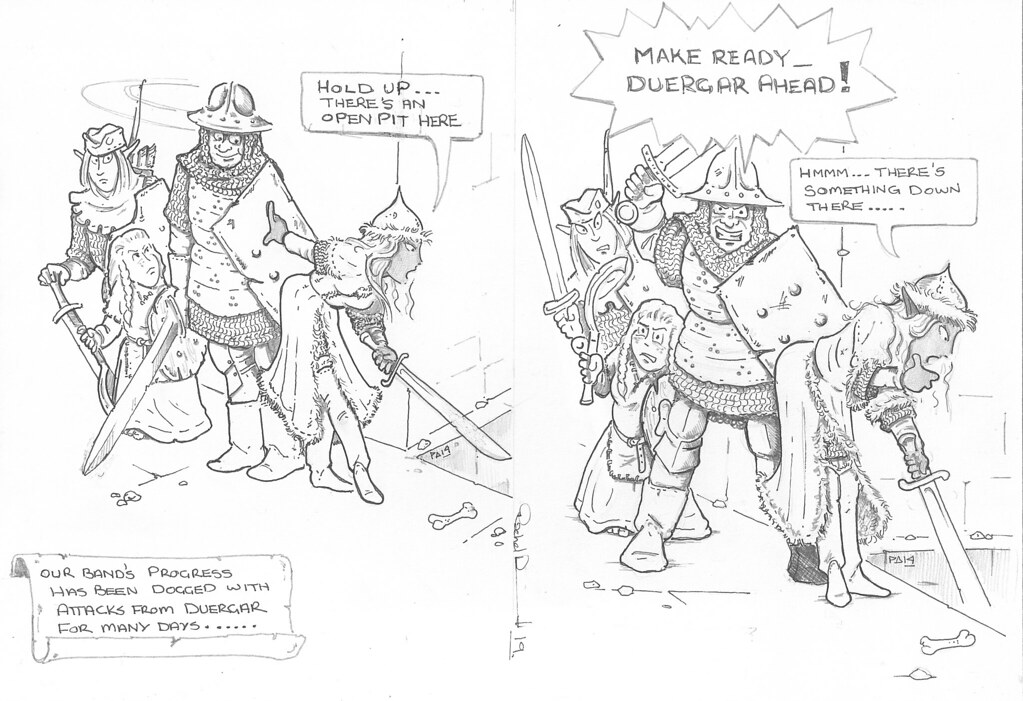 I've been playing in my brothers 1e (with houserules) adventure along with my sister-in-law and a couple of friends since the Christmas holidays. During sessions I doodle some of the action and I've started to develop these into a strip charting the party's progress. I shall be sharing these in this thread - updates will be when I get the time to put pen to paper. Should be noted that these are "cartoons" and I'll be using some artistic license but the spirit of what happens at the table will always be there...
Party:
Byon of Athfort
Human Fighter - Level 3
Aeife Green-oak
Halfing Druid - Level 3
Ellodin Afoncoed
High Elf Fighter/MU - Level 2/2
Arilith Dorchabas
Drow Fighter/MU - Level 2/2
Gorimm (NPC)
Dwarf Cleric - Level 3
Part 1 - Hollow Hills
Background:
The party have been hired by a Whitehaven noble family to rescue their son whom they believe has been kidnapped by a rival family and taken to the port town of Finwyrm to be sold into slavery and taken overseas.
The party have left the town of Whitehaven and to reach Finwyrm they would either have to cross a mountain range or take a very long route around them. At the foot of the mountains they came across a settlement of gnomes who had been troubled by bands of goblins and hobgoblins who had taken up residence in an old deserted hillfort. During the clearing of the hillfort the party found an old map which showed a series of tunnels and passages leading through the mountains themselves. They have been in these passages for some days now their progress being dogged by increasing numbers of Duergar. They have lost the cleric Gorimm during one fierce melee and although not finding his body believe him to be dead. We join them as they reach a junction in the passage. An open pit is evident in the secondary passage and further down it are fallen boulders where some of the walls have collapsed.....
Arilith on point Ellodin guarding the rear.
Note: During the course of the action Arilith, standing right at the lip of the pit, had to make a dexterity save or loose her footing. A roll on d20 of her dex score or under was required to be successful. She has a dexterity of 17... I rolled an 18.
Druids and Undead
I've been playing in my brothers 1e (with houserules) adventure along with my sister-in-law and a couple of friends since the Christmas holidays. During sessions I doodle some of the action and I've started to develop these into a strip charting the party's progress. I shall be sharing these in this thread - updates will be when I get the time to put pen to paper. Should be noted that these are "cartoons" and I'll be using some artistic license but the spirit of what happens at the table will always be there...
Party:
Byon of Athfort
Human Fighter - Level 3
Aeife Green-oak
Halfing Druid - Level 3
Ellodin Afoncoed
High Elf Fighter/MU - Level 2/2
Arilith Dorchabas
Drow Fighter/MU - Level 2/2
Gorimm (NPC)
Dwarf Cleric - Level 3
Part 1 - Hollow Hills
Background:
The party have been hired by a Whitehaven noble family to rescue their son whom they believe has been kidnapped by a rival family and taken to the port town of Finwyrm to be sold into slavery and taken overseas.
The party have left the town of Whitehaven and to reach Finwyrm they would either have to cross a mountain range or take a very long route around them. At the foot of the mountains they came across a settlement of gnomes who had been troubled by bands of goblins and hobgoblins who had taken up residence in an old deserted hillfort. During the clearing of the hillfort the party found an old map which showed a series of tunnels and passages leading through the mountains themselves. They have been in these passages for some days now their progress being dogged by increasing numbers of Duergar. They have lost the cleric Gorimm during one fierce melee and although not finding his body believe him to be dead. We join them as they reach a junction in the passage. An open pit is evident in the secondary passage and further down it are fallen boulders where some of the walls have collapsed.....
Arilith on point Ellodin guarding the rear.
Note: During the course of the action Arilith, standing right at the lip of the pit, had to make a dexterity save or loose her footing. A roll on d20 of her dex score or under was required to be successful. She has a dexterity of 17... I rolled an 18.
Druids and Undead
By: Larry Hamilton
Druids in First Edition AD&D do not have the ability to turn undead. Other than physical combat or druid spells, druids are just like anyone else when it comes to undead.
Article By: Rachel The Icemaiden
I've been playing in my brothers 1e (with houserules) adventure along with my sister-in-law and a couple of friends since the Christmas holidays. During sessions I doodle some of the action and I've started to develop these into a strip charting the party's progress. I shall be sharing these in this thread - updates will be when I get the time to put pen to paper. Should be noted that these are "cartoons" and I'll be using some artistic license but the spirit of what happens at the table will always be there...
Party:
Byon of Athfort
Human Fighter - Level 3
Aeife Green-oak
Halfing Druid - Level 3
Ellodin Afoncoed
High Elf Fighter/MU - Level 2/2
Arilith Dorchabas
Drow Fighter/MU - Level 2/2
Gorimm (NPC)
Dwarf Cleric - Level 3
Part 1 - Hollow Hills
Background:
The party have been hired by a Whitehaven noble family to rescue their son whom they believe has been kidnapped by a rival family and taken to the port town of Finwyrm to be sold into slavery and taken overseas.
The party have left the town of Whitehaven and to reach Finwyrm they would either have to cross a mountain range or take a very long route around them. At the foot of the mountains they came across a settlement of gnomes who had been troubled by bands of goblins and hobgoblins who had taken up residence in an old deserted hillfort. During the clearing of the hillfort the party found an old map which showed a series of tunnels and passages leading through the mountains themselves. They have been in these passages for some days now their progress being dogged by increasing numbers of Duergar. They have lost the cleric Gorimm during one fierce melee and although not finding his body believe him to be dead. We join them as they reach a junction in the passage. An open pit is evident in the secondary passage and further down it are fallen boulders where some of the walls have collapsed.....
Arilith on point Ellodin guarding the rear.
Note: During the course of the action Arilith, standing right at the lip of the pit, had to make a dexterity save or loose her footing. A roll on d20 of her dex score or under was required to be successful. She has a dexterity of 17... I rolled an 18.
Druids and UndeadBy: Larry Hamilton
Druids in First Edition AD&D do not have the ability to turn undead. Other than physical combat or druid spells, druids are just like anyone else when it comes to undead.
Expeditious Retreat Press
By: Joseph Browning
You like modules? We got modules. Lots of them.
 Expeditious Retreat Press has been creating OSRIC-compatible material since 2006. We've released 43-and-counting modules in the Advanced Adventures line, 2 monster books in the Malevolent and Benign series, and plan to continue releasing OSRIC-compatible material until the wheels fall off.
In 2020 we'll release The Halls of Arden Vul. The largest OSRIC-compatible megadungeon! With 10 levels, 15 sub-levels, and nearly a million words in length, it's going to be a right beast!
New rules for clerical strongholds
Expeditious Retreat Press has been creating OSRIC-compatible material since 2006. We've released 43-and-counting modules in the Advanced Adventures line, 2 monster books in the Malevolent and Benign series, and plan to continue releasing OSRIC-compatible material until the wheels fall off.
In 2020 we'll release The Halls of Arden Vul. The largest OSRIC-compatible megadungeon! With 10 levels, 15 sub-levels, and nearly a million words in length, it's going to be a right beast!
New rules for clerical strongholds
By: EOTB
It's a game of chicken when the DM is the crazy one
 When a cleric reaches 8th level, the place of worship described must be built within the civilized realms of
By: Joseph Browning
You like modules? We got modules. Lots of them.
Expeditious Retreat Press has been creating OSRIC-compatible material since 2006. We've released 43-and-counting modules in the Advanced Adventures line, 2 monster books in the Malevolent and Benign series, and plan to continue releasing OSRIC-compatible material until the wheels fall off.
In 2020 we'll release The Halls of Arden Vul. The largest OSRIC-compatible megadungeon! With 10 levels, 15 sub-levels, and nearly a million words in length, it's going to be a right beast!
New rules for clerical strongholdsBy: EOTB
It's a game of chicken when the DM is the crazy one
When a cleric reaches 8th level, the place of worship described must be built within the civilized realms of
Magical Protections In AD&D
By: Larry Hamilton
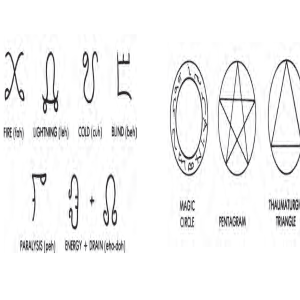 This is the third part in a three part series of articles spawned by my research into undead in AD&D.
The Mystical Trash Heap
This is the third part in a three part series of articles spawned by my research into undead in AD&D.
The Mystical Trash Heap
By: Trent Foster
A blog about D&D and other 80s-era pop culture
 My infrequently-updated blog ostensibly covering the entire gamut of 80s-era pop culture but in practice focused mostly on D&D, specifically Gary Gygax-flavored 1st edition AD&D and the World of Greyhawk. Occasional house-rules and new crunch (spells, monsters, items, etc.) are posted alongside reviews and retrospectives, reminiscences, philosophical musings, polemic rants, and other standard blog fare.
By: Larry Hamilton
This is the third part in a three part series of articles spawned by my research into undead in AD&D.
The Mystical Trash HeapBy: Trent Foster
A blog about D&D and other 80s-era pop culture
My infrequently-updated blog ostensibly covering the entire gamut of 80s-era pop culture but in practice focused mostly on D&D, specifically Gary Gygax-flavored 1st edition AD&D and the World of Greyhawk. Occasional house-rules and new crunch (spells, monsters, items, etc.) are posted alongside reviews and retrospectives, reminiscences, philosophical musings, polemic rants, and other standard blog fare.
Old School Role Playing
By: Joseph A. Mohr
Role playing the way it was meant to be
 Old School Role Playing produces OSRIC material and other old school products for Drive Thru RPG. It also offers a blog with weekly articles on old school topics.
"YAR to "The End of the OSR"
Old School Role Playing produces OSRIC material and other old school products for Drive Thru RPG. It also offers a blog with weekly articles on old school topics.
"YAR to "The End of the OSR"
By: EOTB
It's a game of chicken when the DM is the crazy one
Melan's post discussing the end of the OSR, and Anthony Huso's response, offered a chance to have -if for a small moment shared by only a few people - that sort of chained conversation that kicked the whole mess off and running.
I say "mess" with mixed feelings ranging from fondness to good riddance...(click above for more!)
By: Joseph A. Mohr
Role playing the way it was meant to be
Old School Role Playing produces OSRIC material and other old school products for Drive Thru RPG. It also offers a blog with weekly articles on old school topics.
"YAR to "The End of the OSR"By: EOTB
It's a game of chicken when the DM is the crazy one
Melan's post discussing the end of the OSR, and Anthony Huso's response, offered a chance to have -if for a small moment shared by only a few people - that sort of chained conversation that kicked the whole mess off and running.
I say "mess" with mixed feelings ranging from fondness to good riddance...(click above for more!)
Free City of Holting
By: Douglas Scot Price
 I have some art, work OSRIC is welcome to use as it deems fit.
What is Classic Adventure Gaming?
I have some art, work OSRIC is welcome to use as it deems fit.
What is Classic Adventure Gaming?
Article By: Administrator
 Classic Adventure Gaming is not a Roleplaying Game. It is not "OSR", even if it uses rulebooks the OSR also claims. It is the style of gaming presumed and presented in the 1E PHB and DMG which was common before a playacting style of "roleplaying" grew into a new normal. It rejects the term "roleplaying game" or "RPG" because today those names firmly convey implicit expectations running contrary to practices of successful adventure gaming.
We start with what adventure gaming is not to clear the mental decks of unhelpful presuppositions, before explaining what it is.
Classic Adventure Gaming prioritizes the following:
The players and DM are fundamentally interacting with each other, as people around a table (virtual or otherwise), not as the controllers of PCs and NPCs. No player is ever required or expected to supersede their own personality at the table with a fictional one.
Players are expected to get better at the game and demonstrate a growing mastery of its rules in play. If someone is playing their 10th first-level character in a similar fashion to how they played their 1st first-level character then something is amiss.
There is no expectation players will act at the table as if a game were not occurring; players are expected - not discouraged - to use what the modern hobby mistakenly disparages as "metagaming". A player who knows that fire prevents trolls from regenerating but declines to use it because "my character doesn't know that" is roleplaying instead of adventure gaming.
Conversely, GMs must not metagame - because a GM has perfect knowledge, they must limit themselves within the knowledge, goals, abilities, resources, and quirks of the NPC or monster they are running at the time in order for a functional game to occur. This is almost the exact opposite of how most roleplaying games view the player-GM dynamic, and an example of how character-first roleplaying flipped the playstyle in a 180 away from how early games ran.
Adventure gaming is campaign based; the idea of one-shot games is foreign to adventure gaming. A game world exists and persists apart from any group of characters. When combined with the expectation that players grow in mastery of a set of rules, a single set of rules is used for very long periods of time (if not indefinitely) so that players gain enough time in a single ruleset to understand it thoroughly as opposed to a superficial understanding.
Because a GM is comfortable with highly experienced players, rules tinkering for tinkering's sake, or perhaps to artificially reintroduce an atmosphere of player uncertainty due to ignorance, is discouraged. GMs choose rulesets they already agree with the basic principles and presuppositions of the author, so that everyone can get on with the act of playing. High level play is embraced, it is the goal of every campaign.
Nobody is trying to tell a story. A GM writes places and situations; if a future is written, it is the future of what will happen in that location or what those NPCs will accomplish if the players choose not to engage with it or them at all. No attempt is made to pre-determine the course of what will happen if the players decide to engage with that content. Because the GM has determined the goals, resources, abilities, local geography, and "personality" of any NPCs at a location, they have all the tools necessary to react believably and distinctly to whatever actions or plans the players may devise at the time of contact.
Player agency is paramount. The burden of what course of action is taken is on the players, not the GM. Adventure gaming is not well-paired with a table made up entirely of passive players, regardless of how excited a GM may be to try it. Many tears occur when a GM attempt to run an adventure game with players who really want the GM to tell them what they will be doing tonight, with players making only minor decisions through the course of the evening but otherwise seeing if they can succeed at the goal a GM has set before them. It is tailor made for groups having a minimum of one player who likes to make decisions. Not everyone has to be a decision maker if the rest of the group is comfortable with allowing a minority of however many to perform the role a GM performs in a more normal campaign of deciding what the groups course of action will be for a gaming session.
A GM accepts that world building and location/scenario writing is a parallel but separate hobby to the game itself. GMs enjoy worldbuilding for its own sake. There is no feeling that time spent devising locations and NPCs is "wasted" if players do not interact with it. Instead, because the GM has written out the effect of players not engaging with that content at all, the game world changes accordingly and seems to the players to move even where they've not personally intervened.
As players develop their mastery of the ruleset, the pace of play becomes much faster than most roleplaying game groups experience at the table. The ideal all participants are aiming for is a tempo approaching a ping-pong game, where the GM is delivering information to the players who act or react to it quickly without negotiations over the information.
Unlike in many RPGs, 1st level characters do not have an at-will 9th level time stop spell they can use any time they would prefer more info to make a decision. Everyone accepts that some decisions made will result in less than ideal outcomes because the game continually moves forward without time to reflect if circumstances aren't entirely in the PCs' control. But this results in more exploration, more encounters, and faster advancement in the aggregate.
Adventure gaming is not a low-treasure, "magic is rare and wonderous" affair. "Mudcore" gaming as personified by low-resource, "realism" games such as HARN are thematic mismatches. Player agency requires ample player resources, and the GM is not intimidated by players rapidly growing in wealth, power, and independence as the early game is escaped. Early games were light on built-in character class powers because it was expected the PC would have several magical items giving an ever-changing de facto suite of "character powers" that would morph with time as items were used up (or destroyed) and replaced with new and different items.
These principles are all found in the 1st edition advanced PHB and DMG (and I strongly recommend advanced forms of the game for use with it), although they fell out of fashion as a greater number of hobbyists more comfortable with playacting than rigorous gaming, joined the hobby. Adventure gaming carves this early style back out of and away from the more common style practiced today, that openly discourages many elements that make it great. It is not for every table or every group, but for those it suites it is irreplaceable. If you and your group see an activity in the pages of the the book that play never seems to quite capture (and you wish it did), try running a campaign based upon these principles and see if the game becomes more enjoyable and engaging.
Classic Adventure Gaming is not a Roleplaying Game. It is not "OSR", even if it uses rulebooks the OSR also claims. It is the style of gaming presumed and presented in the 1E PHB and DMG which was common before a playacting style of "roleplaying" grew into a new normal. It rejects the term "roleplaying game" or "RPG" because today those names firmly convey implicit expectations running contrary to practices of successful adventure gaming.
We start with what adventure gaming is not to clear the mental decks of unhelpful presuppositions, before explaining what it is.
Classic Adventure Gaming prioritizes the following:
The players and DM are fundamentally interacting with each other, as people around a table (virtual or otherwise), not as the controllers of PCs and NPCs. No player is ever required or expected to supersede their own personality at the table with a fictional one.
Players are expected to get better at the game and demonstrate a growing mastery of its rules in play. If someone is playing their 10th first-level character in a similar fashion to how they played their 1st first-level character then something is amiss.
There is no expectation players will act at the table as if a game were not occurring; players are expected - not discouraged - to use what the modern hobby mistakenly disparages as "metagaming". A player who knows that fire prevents trolls from regenerating but declines to use it because "my character doesn't know that" is roleplaying instead of adventure gaming.
Conversely, GMs must not metagame - because a GM has perfect knowledge, they must limit themselves within the knowledge, goals, abilities, resources, and quirks of the NPC or monster they are running at the time in order for a functional game to occur. This is almost the exact opposite of how most roleplaying games view the player-GM dynamic, and an example of how character-first roleplaying flipped the playstyle in a 180 away from how early games ran.
Adventure gaming is campaign based; the idea of one-shot games is foreign to adventure gaming. A game world exists and persists apart from any group of characters. When combined with the expectation that players grow in mastery of a set of rules, a single set of rules is used for very long periods of time (if not indefinitely) so that players gain enough time in a single ruleset to understand it thoroughly as opposed to a superficial understanding.
Because a GM is comfortable with highly experienced players, rules tinkering for tinkering's sake, or perhaps to artificially reintroduce an atmosphere of player uncertainty due to ignorance, is discouraged. GMs choose rulesets they already agree with the basic principles and presuppositions of the author, so that everyone can get on with the act of playing. High level play is embraced, it is the goal of every campaign.
Nobody is trying to tell a story. A GM writes places and situations; if a future is written, it is the future of what will happen in that location or what those NPCs will accomplish if the players choose not to engage with it or them at all. No attempt is made to pre-determine the course of what will happen if the players decide to engage with that content. Because the GM has determined the goals, resources, abilities, local geography, and "personality" of any NPCs at a location, they have all the tools necessary to react believably and distinctly to whatever actions or plans the players may devise at the time of contact.
Player agency is paramount. The burden of what course of action is taken is on the players, not the GM. Adventure gaming is not well-paired with a table made up entirely of passive players, regardless of how excited a GM may be to try it. Many tears occur when a GM attempt to run an adventure game with players who really want the GM to tell them what they will be doing tonight, with players making only minor decisions through the course of the evening but otherwise seeing if they can succeed at the goal a GM has set before them. It is tailor made for groups having a minimum of one player who likes to make decisions. Not everyone has to be a decision maker if the rest of the group is comfortable with allowing a minority of however many to perform the role a GM performs in a more normal campaign of deciding what the groups course of action will be for a gaming session.
A GM accepts that world building and location/scenario writing is a parallel but separate hobby to the game itself. GMs enjoy worldbuilding for its own sake. There is no feeling that time spent devising locations and NPCs is "wasted" if players do not interact with it. Instead, because the GM has written out the effect of players not engaging with that content at all, the game world changes accordingly and seems to the players to move even where they've not personally intervened.
As players develop their mastery of the ruleset, the pace of play becomes much faster than most roleplaying game groups experience at the table. The ideal all participants are aiming for is a tempo approaching a ping-pong game, where the GM is delivering information to the players who act or react to it quickly without negotiations over the information.
Unlike in many RPGs, 1st level characters do not have an at-will 9th level time stop spell they can use any time they would prefer more info to make a decision. Everyone accepts that some decisions made will result in less than ideal outcomes because the game continually moves forward without time to reflect if circumstances aren't entirely in the PCs' control. But this results in more exploration, more encounters, and faster advancement in the aggregate.
Adventure gaming is not a low-treasure, "magic is rare and wonderous" affair. "Mudcore" gaming as personified by low-resource, "realism" games such as HARN are thematic mismatches. Player agency requires ample player resources, and the GM is not intimidated by players rapidly growing in wealth, power, and independence as the early game is escaped. Early games were light on built-in character class powers because it was expected the PC would have several magical items giving an ever-changing de facto suite of "character powers" that would morph with time as items were used up (or destroyed) and replaced with new and different items.
These principles are all found in the 1st edition advanced PHB and DMG (and I strongly recommend advanced forms of the game for use with it), although they fell out of fashion as a greater number of hobbyists more comfortable with playacting than rigorous gaming, joined the hobby. Adventure gaming carves this early style back out of and away from the more common style practiced today, that openly discourages many elements that make it great. It is not for every table or every group, but for those it suites it is irreplaceable. If you and your group see an activity in the pages of the the book that play never seems to quite capture (and you wish it did), try running a campaign based upon these principles and see if the game becomes more enjoyable and engaging.
By: Douglas Scot Price
I have some art, work OSRIC is welcome to use as it deems fit.
What is Classic Adventure Gaming?Article By: Administrator
Classic Adventure Gaming is not a Roleplaying Game. It is not "OSR", even if it uses rulebooks the OSR also claims. It is the style of gaming presumed and presented in the 1E PHB and DMG which was common before a playacting style of "roleplaying" grew into a new normal. It rejects the term "roleplaying game" or "RPG" because today those names firmly convey implicit expectations running contrary to practices of successful adventure gaming.
We start with what adventure gaming is not to clear the mental decks of unhelpful presuppositions, before explaining what it is.
Classic Adventure Gaming prioritizes the following:
The players and DM are fundamentally interacting with each other, as people around a table (virtual or otherwise), not as the controllers of PCs and NPCs. No player is ever required or expected to supersede their own personality at the table with a fictional one.
Players are expected to get better at the game and demonstrate a growing mastery of its rules in play. If someone is playing their 10th first-level character in a similar fashion to how they played their 1st first-level character then something is amiss.
There is no expectation players will act at the table as if a game were not occurring; players are expected - not discouraged - to use what the modern hobby mistakenly disparages as "metagaming". A player who knows that fire prevents trolls from regenerating but declines to use it because "my character doesn't know that" is roleplaying instead of adventure gaming.
Conversely, GMs must not metagame - because a GM has perfect knowledge, they must limit themselves within the knowledge, goals, abilities, resources, and quirks of the NPC or monster they are running at the time in order for a functional game to occur. This is almost the exact opposite of how most roleplaying games view the player-GM dynamic, and an example of how character-first roleplaying flipped the playstyle in a 180 away from how early games ran.
Adventure gaming is campaign based; the idea of one-shot games is foreign to adventure gaming. A game world exists and persists apart from any group of characters. When combined with the expectation that players grow in mastery of a set of rules, a single set of rules is used for very long periods of time (if not indefinitely) so that players gain enough time in a single ruleset to understand it thoroughly as opposed to a superficial understanding.
Because a GM is comfortable with highly experienced players, rules tinkering for tinkering's sake, or perhaps to artificially reintroduce an atmosphere of player uncertainty due to ignorance, is discouraged. GMs choose rulesets they already agree with the basic principles and presuppositions of the author, so that everyone can get on with the act of playing. High level play is embraced, it is the goal of every campaign.
Nobody is trying to tell a story. A GM writes places and situations; if a future is written, it is the future of what will happen in that location or what those NPCs will accomplish if the players choose not to engage with it or them at all. No attempt is made to pre-determine the course of what will happen if the players decide to engage with that content. Because the GM has determined the goals, resources, abilities, local geography, and "personality" of any NPCs at a location, they have all the tools necessary to react believably and distinctly to whatever actions or plans the players may devise at the time of contact.
Player agency is paramount. The burden of what course of action is taken is on the players, not the GM. Adventure gaming is not well-paired with a table made up entirely of passive players, regardless of how excited a GM may be to try it. Many tears occur when a GM attempt to run an adventure game with players who really want the GM to tell them what they will be doing tonight, with players making only minor decisions through the course of the evening but otherwise seeing if they can succeed at the goal a GM has set before them. It is tailor made for groups having a minimum of one player who likes to make decisions. Not everyone has to be a decision maker if the rest of the group is comfortable with allowing a minority of however many to perform the role a GM performs in a more normal campaign of deciding what the groups course of action will be for a gaming session.
A GM accepts that world building and location/scenario writing is a parallel but separate hobby to the game itself. GMs enjoy worldbuilding for its own sake. There is no feeling that time spent devising locations and NPCs is "wasted" if players do not interact with it. Instead, because the GM has written out the effect of players not engaging with that content at all, the game world changes accordingly and seems to the players to move even where they've not personally intervened.
As players develop their mastery of the ruleset, the pace of play becomes much faster than most roleplaying game groups experience at the table. The ideal all participants are aiming for is a tempo approaching a ping-pong game, where the GM is delivering information to the players who act or react to it quickly without negotiations over the information.
Unlike in many RPGs, 1st level characters do not have an at-will 9th level time stop spell they can use any time they would prefer more info to make a decision. Everyone accepts that some decisions made will result in less than ideal outcomes because the game continually moves forward without time to reflect if circumstances aren't entirely in the PCs' control. But this results in more exploration, more encounters, and faster advancement in the aggregate.
Adventure gaming is not a low-treasure, "magic is rare and wonderous" affair. "Mudcore" gaming as personified by low-resource, "realism" games such as HARN are thematic mismatches. Player agency requires ample player resources, and the GM is not intimidated by players rapidly growing in wealth, power, and independence as the early game is escaped. Early games were light on built-in character class powers because it was expected the PC would have several magical items giving an ever-changing de facto suite of "character powers" that would morph with time as items were used up (or destroyed) and replaced with new and different items.
These principles are all found in the 1st edition advanced PHB and DMG (and I strongly recommend advanced forms of the game for use with it), although they fell out of fashion as a greater number of hobbyists more comfortable with playacting than rigorous gaming, joined the hobby. Adventure gaming carves this early style back out of and away from the more common style practiced today, that openly discourages many elements that make it great. It is not for every table or every group, but for those it suites it is irreplaceable. If you and your group see an activity in the pages of the the book that play never seems to quite capture (and you wish it did), try running a campaign based upon these principles and see if the game becomes more enjoyable and engaging.
Vault of the Dwarven King
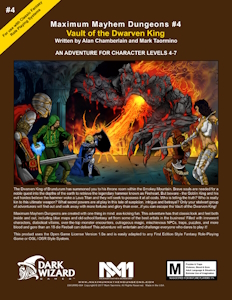 The Dwarven King of Brundurum has summoned you to his throne room within the Smokey Mountain. Brave souls are needed for a noble quest into the depths of the earth to retrieve the legendary hammer known as Fireheart. But beware - the Goblin King and his evil hordes believe the hammer woke a Lava Titan and they will seek to possess it at all costs. Who is telling the truth? Who is really kin to this ultimate weapon? What secret powers are at play in this tale of suspicion, intrigue and betrayal? Only your stalwart group of adventurers will find out and walk away with more fortune and glory than ever...if you can escape the Vault of the Dwarven King!
Palace of the Dragon's Princess
The Dwarven King of Brundurum has summoned you to his throne room within the Smokey Mountain. Brave souls are needed for a noble quest into the depths of the earth to retrieve the legendary hammer known as Fireheart. But beware - the Goblin King and his evil hordes believe the hammer woke a Lava Titan and they will seek to possess it at all costs. Who is telling the truth? Who is really kin to this ultimate weapon? What secret powers are at play in this tale of suspicion, intrigue and betrayal? Only your stalwart group of adventurers will find out and walk away with more fortune and glory than ever...if you can escape the Vault of the Dwarven King!
Palace of the Dragon's Princess
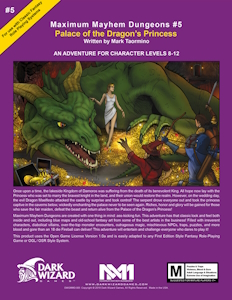 Once upon a time, the beautiful lakeside realm of Thorin Vale was suffering from the death of its benevolent King. All hope now lay with his only daughter, Princess Francesca who was set to marry her fathers bravest knight and that union would restore the empire. However, on the wedding day, the evil Dragon Maelfesto attacked the castle by surprise and took control! The serpent drove everyone out and took the woman captive in the caverns below, wickedly enchanting the place and was never seen again. Riches, honor and glory will be gained for those who can save the fair maiden, defeat the beast and return alive from the Palace of the Dragon's Princess!
The Dwarven King of Brundurum has summoned you to his throne room within the Smokey Mountain. Brave souls are needed for a noble quest into the depths of the earth to retrieve the legendary hammer known as Fireheart. But beware - the Goblin King and his evil hordes believe the hammer woke a Lava Titan and they will seek to possess it at all costs. Who is telling the truth? Who is really kin to this ultimate weapon? What secret powers are at play in this tale of suspicion, intrigue and betrayal? Only your stalwart group of adventurers will find out and walk away with more fortune and glory than ever...if you can escape the Vault of the Dwarven King!
Palace of the Dragon's Princess
Once upon a time, the beautiful lakeside realm of Thorin Vale was suffering from the death of its benevolent King. All hope now lay with his only daughter, Princess Francesca who was set to marry her fathers bravest knight and that union would restore the empire. However, on the wedding day, the evil Dragon Maelfesto attacked the castle by surprise and took control! The serpent drove everyone out and took the woman captive in the caverns below, wickedly enchanting the place and was never seen again. Riches, honor and glory will be gained for those who can save the fair maiden, defeat the beast and return alive from the Palace of the Dragon's Princess!
PRODUCT
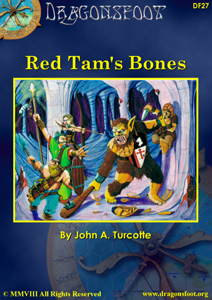 Red Tam's Bones
PRODUCT
Red Tam's Bones
PRODUCT
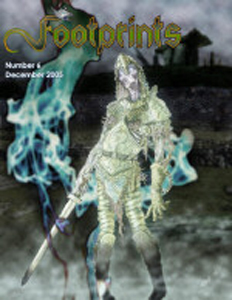 Footprints #06
PRODUCT
Footprints #06
PRODUCT
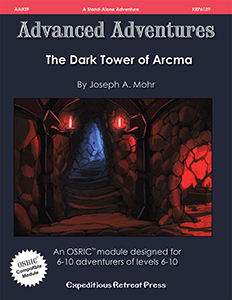 The Dark Tower of Arcma
PRODUCT
The Dark Tower of Arcma
PRODUCT
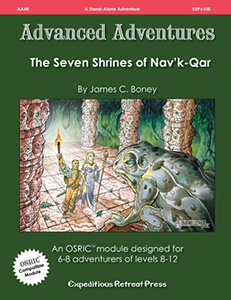 The Seven Shrines of Nav'k-Qar
PRODUCT
The Seven Shrines of Nav'k-Qar
PRODUCT
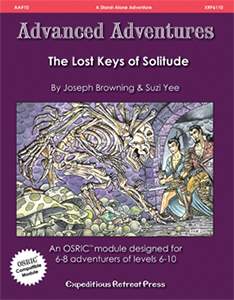 The Lost Keys of Solitude
Red Tam's Bones
PRODUCT
Footprints #06
PRODUCT
The Dark Tower of Arcma
PRODUCT
The Seven Shrines of Nav'k-Qar
PRODUCT
The Lost Keys of Solitude
PRODUCT
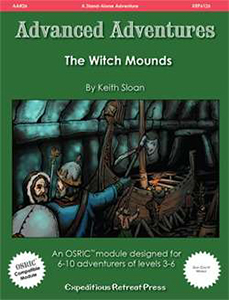 The Witch Mounds
PRODUCT
The Witch Mounds
PRODUCT
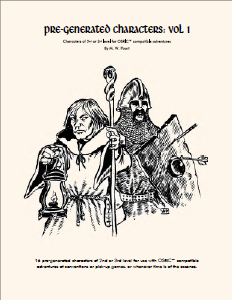 Pre-Generated Characters: Vol. 1
PRODUCT
Pre-Generated Characters: Vol. 1
PRODUCT
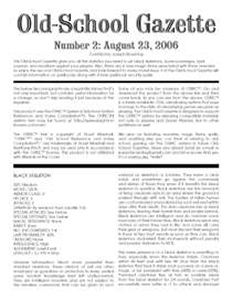 Old-School Gazette #2
PRODUCT
Old-School Gazette #2
PRODUCT
 The Pod-Caverns of the Sinister Shroom
PRODUCT
The Pod-Caverns of the Sinister Shroom
PRODUCT
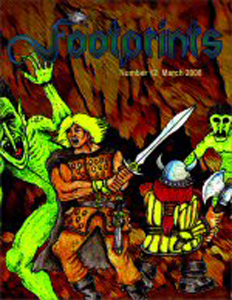 Footprints #12
The Witch Mounds
PRODUCT
Pre-Generated Characters: Vol. 1
PRODUCT
Old-School Gazette #2
PRODUCT
The Pod-Caverns of the Sinister Shroom
PRODUCT
Footprints #12
CREATOR
Follow Me And Die!
PRODUCT
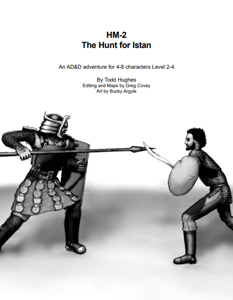 HM2 - The Hunt for Istan
PRODUCT
HM2 - The Hunt for Istan
PRODUCT
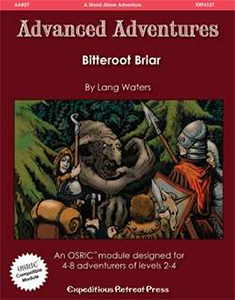 Bitteroot Briar
PRODUCT
Bitteroot Briar
PRODUCT
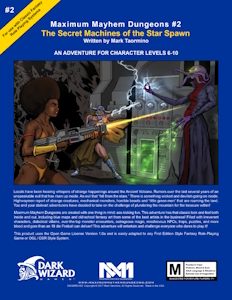 Secret Machines of the Star Spawn
PRODUCT
Secret Machines of the Star Spawn
PRODUCT
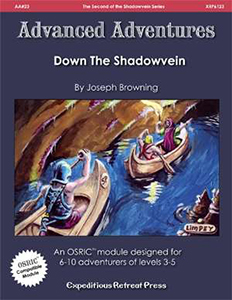 Down the Shadowvein
Follow Me And Die!
PRODUCT
HM2 - The Hunt for Istan
PRODUCT
Bitteroot Briar
PRODUCT
Secret Machines of the Star Spawn
PRODUCT
Down the Shadowvein
PRODUCT
 Footprints #21
PRODUCT
Footprints #21
PRODUCT
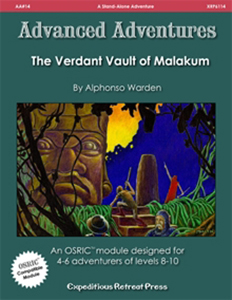 The Verdant Vault of Malakum
PRODUCT
The Verdant Vault of Malakum
PRODUCT
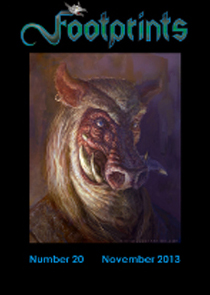 Footprints #20
CREATOR
OSRIC
PRODUCT
Footprints #20
CREATOR
OSRIC
PRODUCT
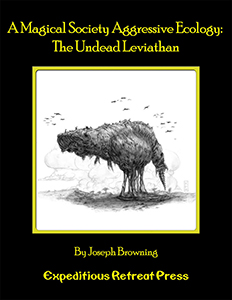 A Magical Society Aggressive Ecology: The Undead Leviathan
Footprints #21
PRODUCT
The Verdant Vault of Malakum
PRODUCT
Footprints #20
CREATOR
OSRIC
PRODUCT
A Magical Society Aggressive Ecology: The Undead Leviathan
PRODUCT
 Footprints #17
PRODUCT
Footprints #17
PRODUCT
 Tantalus
PRODUCT
Tantalus
PRODUCT
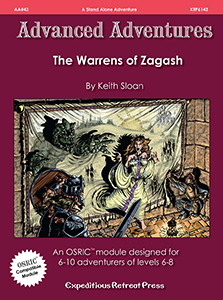 The Warrens of Zagash
PRODUCT
The Warrens of Zagash
PRODUCT
 ZC1: The World of Zanzia
PRODUCT
ZC1: The World of Zanzia
PRODUCT
 L5B: The Kroten Adventures
Footprints #17
PRODUCT
Tantalus
PRODUCT
The Warrens of Zagash
PRODUCT
ZC1: The World of Zanzia
PRODUCT
L5B: The Kroten Adventures
PRODUCT
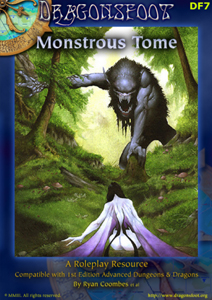 Monstrous Tome - Volume One
PRODUCT
Monstrous Tome - Volume One
PRODUCT
 The Howling Hills
PRODUCT
The Howling Hills
PRODUCT
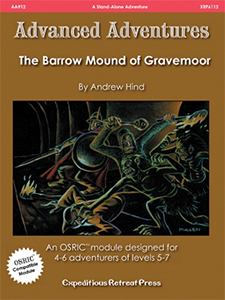 The Barrow Mound of Gravemoor
PRODUCT
The Barrow Mound of Gravemoor
PRODUCT
 White Dragon Run
PRODUCT
White Dragon Run
PRODUCT
 & Magazine #13 - Character Races
Monstrous Tome - Volume One
PRODUCT
The Howling Hills
PRODUCT
The Barrow Mound of Gravemoor
PRODUCT
White Dragon Run
PRODUCT
& Magazine #13 - Character Races
PRODUCT
 The Mouth of the Shadowvein
PRODUCT
The Mouth of the Shadowvein
PRODUCT
 Lair Of The Demodand
CREATOR
Lair Of The Demodand
CREATOR
 The Blue Bard
PRODUCT
The Blue Bard
PRODUCT
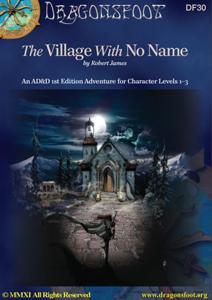 The Village With No Name
MEDIA
Undead In AD&D
The Village With No Name
MEDIA
Undead In AD&D
The Mouth of the Shadowvein
PRODUCT
Lair Of The Demodand
CREATOR
The Blue Bard
PRODUCT
The Village With No Name
MEDIA
Undead In AD&D
CREATOR
Old School Role Playing
PRODUCT
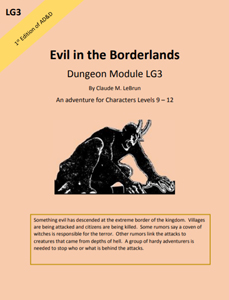 LG3: Evil in the Borderlands
PRODUCT
LG3: Evil in the Borderlands
PRODUCT
 Old-School Gazette #7
PRODUCT
Old-School Gazette #7
PRODUCT
 The Crocodiles Tear
CREATOR
EOTB
The Crocodiles Tear
CREATOR
EOTB
Old School Role Playing
PRODUCT
LG3: Evil in the Borderlands
PRODUCT
Old-School Gazette #7
PRODUCT
The Crocodiles Tear
CREATOR
EOTB
PRODUCT
 OSRIC Player's Guide
PRODUCT
OSRIC Player's Guide
PRODUCT
 The Palace Beyond
PRODUCT
The Temple Diancecht
PRODUCT
The Palace Beyond
PRODUCT
The Temple Diancecht
PRODUCT
 OB6 :The Lost Mithral Mine
PRODUCT
OB6 :The Lost Mithral Mine
PRODUCT
 & Magazine #8 - Urban Adventures
OSRIC Player's Guide
PRODUCT
The Palace Beyond
PRODUCT
The Temple Diancecht
PRODUCT
OB6 :The Lost Mithral Mine
PRODUCT
& Magazine #8 - Urban Adventures
PRODUCT
 The Mad Demigod's Castle
CREATOR
The Mad Demigod's Castle
CREATOR
 Goblin's Henchman
PRODUCT
Goblin's Henchman
PRODUCT
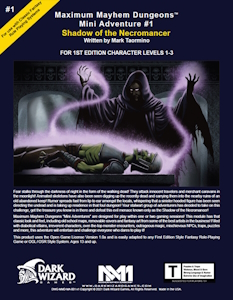 Shadow of the Necromancer
PRODUCT
Shadow of the Necromancer
PRODUCT
 Footprints #24
PRODUCT
Footprints #24
PRODUCT
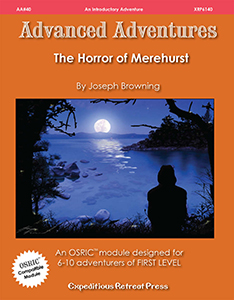 The Horror of Merehurst
The Mad Demigod's Castle
CREATOR
Goblin's Henchman
PRODUCT
Shadow of the Necromancer
PRODUCT
Footprints #24
PRODUCT
The Horror of Merehurst
